

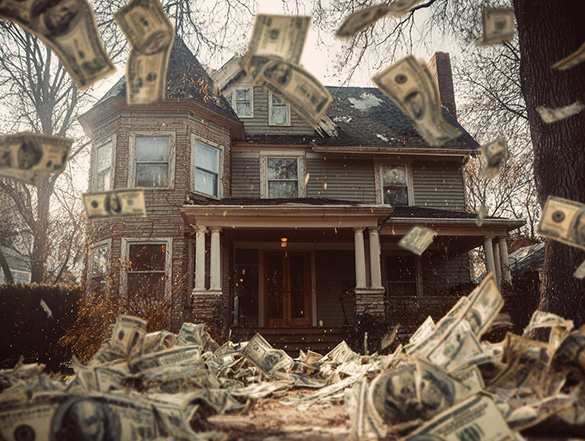
You’ve found a house you love, made an offer the seller couldn’t refuse, and now you’re counting down the days until you can finally turn the key and call it home. But just when you think you’ve budgeted for everything, you hear two little words you overlooked – closing costs.
More costs? On top of everything else? Unfortunately, yes. But don’t stress – closing costs aren’t so bad once you understand what they include and how much you have to pay.
That’s exactly why we’ve put together this quick guide. It’ll help you make sense of these costs so you’re well prepared ahead of time and don’t get caught off guard at the closing table.
What Are Closing Costs?
These are a collection of the various fees and expenses you pay at the very end of your home purchase – aka the “closing”.
They cover all the work that happens to get the sale officially wrapped up. Things like checking the title to make sure it’s clear, processing your loan paperwork, and officially transferring ownership from the seller to you.
Common Closing Costs to Be Aware Of
When you get your final closing statement, you’ll see a long list of line items – some big, some small – that cover everything it takes to finish your home purchase.
It might look a little confusing at first, but most of it breaks down into a few key categories. Here are the most common closing costs you’ll see:
- Title search and insurance: Provided by a title insurance company to protect both you and your lender from any future ownership claims or title issues.
- Escrow fees: Paid to the neutral third party (often a title company) who handles escrow account funds and paperwork during closing.
- Loan origination and lender fees: Charged by your lender for setting up and processing your mortgage. This usually includes things like reviewing your application, preparing loan documents, underwriting, and appraisal fees.
- Attorney fees: In some states, an attorney is required to review documents or oversee the closing process, and their fees are included here.
- Property taxes and prepaid items: These might include partial property taxes or upfront payments for your homeowners insurance policy, which many lenders require before closing.
- Recording fees: Paid to your local government to officially record your new ownership.
- Credit report fees: A small charge from your lender to pull your credit report as part of the loan approval process.
A little something to keep in mind: Not every transaction includes these specific closing costs. There may be other closing costs involved. Some fees can even vary based on your location, home loan type, and one-on-one negotiations between you and your seller.
Who’s Responsible for Closing Costs?
So, the big question – are you stuck paying for everything yourself?
Well, in most home sales, buyers do cover the majority of closing costs, especially those tied to the loan – like the lender fees, appraisals, and certain inspections.
Sellers, meanwhile, usually pay for real estate agent commissions and sometimes contribute toward title-related expenses or property taxes, depending on the contract.
That said, everything is negotiable. In competitive markets, sellers might offer to pay part (or all) of the buyer’s closing costs as an incentive. In other cases, the buyer might agree to cover more in exchange for a better purchase price.
How Much Are Closing Costs?
It depends! Costs can vary quite a bit from one home sale to another. That said, the average closing costs fall between 2% and 5% of the home’s purchase price.
So, if you’re buying a $300,000 home, you can expect to pay somewhere between $6,000 and $15,000 in closing costs.
Some people pay a little less, some a little more. Things like your state, loan amount, and even the size of your down payment can all affect the total. For example, larger loans and certain loan programs can come with higher fees, while others may help you save a bit.
A few days before closing, you’ll receive a Closing Disclosure, which lists the final numbers and tells you exactly what to bring to the table.
Helpful tip: Use a closing cost calculator (many are free online) to get a rough estimate based on your home price, location, and loan details.
How to Prepare Yourself to Pay Closing Costs
Closing costs can be a real source of stress for a lot of homebuyers. There’s already so much to think about when you’re buying a home that it’s all too easy for some of these extra expenses to slip through the cracks until your closing date rolls around.
Thankfully, there are a few smart ways to plan ahead so you’re good to go when the time comes to pay closing costs:
- Budget early: Factor estimated closing costs into your savings goal right alongside your down payment.
- Ask for estimates upfront: Title companies and lenders can provide detailed breakdowns early in the process.
- Compare services: You can often shop around for certain services, like title insurance and inspections, to find competitive rates.
- Look for credits or assistance programs: Some lenders or state programs offer help covering closing costs, especially for first-time buyers.
Closing on a Home Doesn’t Have to Be Stressful!
Still feeling a little nervous about closing day? With Brick City Title, you don’t have to be.
Our team makes sure your closing goes off without fuss – and without unnecessary costs.
With dependable title insurance, we make sure the property’s title is clear before you sign, so you’re protected from surprise issues that could cost you time and money later.
Our trusted escrow services keep every dollar of your transaction safe and organized, helping you avoid delays, extra fees, or mix-ups that can add up fast.
Get in touch with Brick City Title today to learn more about our title insurance, escrow accounts, and closing services – and see how we make the entire process as smooth and stress-free as possible.